
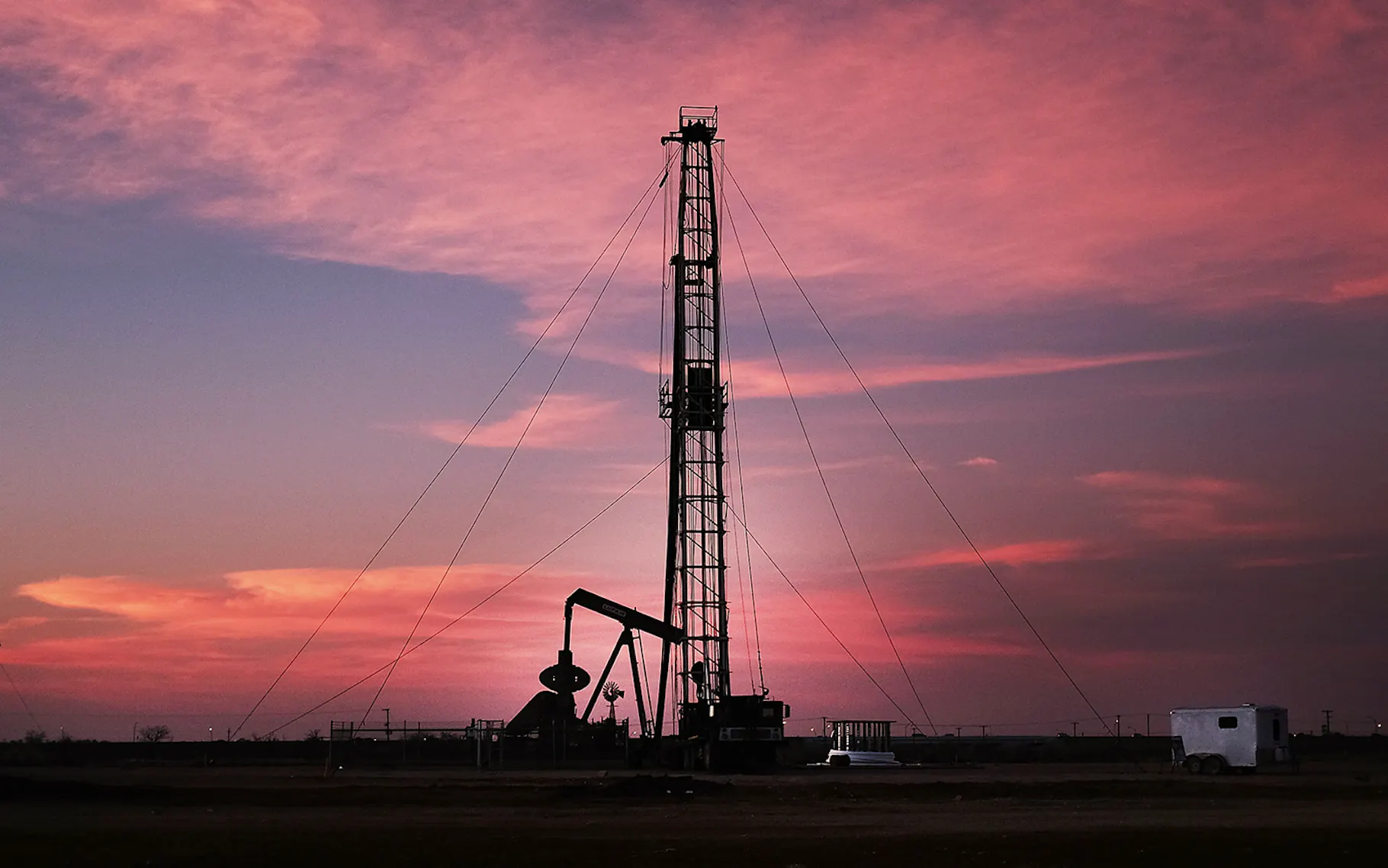
A house in Midland can look steady on paper while the rig yard down the road tells another story. That is why real estate investment in this West Texas city has to be timed around wages, crews, drilling plans, and tenant depth, not hype. The Midland housing market sits close to the center of America’s oil engine, so buyers who treat it like a normal Sun Belt market can get caught late in the cycle. A smart investor studies energy signals first, then property numbers second. For a broader view of how local markets gain attention online, regional property visibility matters because Midland is not a place where national averages explain the street-level truth. The goal is not to guess the next oil price. Nobody does that well for long. The goal is to buy when the downside is already priced into the deal and avoid paying boom prices for income that may fade.
Why Oil Cycles Move Midland Property Before Prices Admit It
Midland does not wait for a national housing report to change mood. The shift often starts in hiring offices, service yards, hotel parking lots, and lease renewals. When drilling activity feels strong, workers arrive fast, landlords feel bold, and sellers hold firm. When the mood turns, the first cracks can appear before home values show a clean drop.
The paycheck shows up before the appraisal
Oil towns run on paychecks first. In Midland, a roughneck’s schedule, a field tech’s overtime, or a trucking contractor’s route can matter more than a national mortgage headline. The U.S. Energy Information Administration reported that the Permian region produced more crude oil than any other U.S. region in 2025, reaching 6.6 million barrels per day and making up 48 percent of U.S. crude output. That gives Midland unusual demand power, but it also ties local housing to one loud industry.
That link is not theory. The Bureau of Labor Statistics said Midland had the highest employment concentration of construction and extraction occupations among metro areas in May 2025, with those jobs making up about 14.8 percent of local employment. It also noted that Midland’s mining, quarrying, and oil and gas extraction share was more than 72 times the national share. Permian Basin oil jobs do not sit on the edge of the economy here. They sit near the middle.
Here is the part buyers miss: values can lag wages. A seller may still be quoting last season’s confidence while tenants already feel overtime cuts. That delay creates both danger and opportunity. You can overpay if you believe the listing price. You can win if you read the tenant base before the seller adjusts.
Why a slow listing market can still feel tight on the ground
Midland can show more supply and still feel hard for renters in the right submarket. That sounds odd, but it makes sense. A home for sale in a higher price band does not help a mechanic who needs a clean three-bedroom rental near work. A buyer’s market on paper may exist beside a rental pocket that still has real demand.
Zillow placed the average Midland home value at $331,081 as of May 31, 2026, up 2.4 percent over the past year. Realtor.com, meanwhile, described Midland as a buyer’s market in May 2026, with homes selling at about 99 percent of asking price and a median sale pace of 37 days. Those two facts can live together because price support and buyer choice can exist at the same time.
That is why the Midland housing market rewards block-level thinking. A clean rental near Loop 250, a workforce-friendly home near Odessa access, and a higher-end house with limited tenant depth are not the same bet. Treating them as one market is how outsiders get burned.
Reading Oil Signals Without Chasing Headlines
Oil headlines are loud. They can also be late. By the time a national story says the boom is back, local sellers may have already raised expectations. By the time a national story warns of a bust, careful buyers may already be finding better terms. You need signals that connect to household demand, not drama.
The rig count is useful, but payroll is louder
Rig counts matter because they show activity. Still, payroll tells you more about housing pressure. A rig can move, but a worker signs a lease, eats in town, buys tires, rents storage, and may bring family. That is what turns oil activity into housing demand.
The Permian’s scale gives Midland a stronger floor than smaller resource towns. EIA data showed the geographic Permian region producing 6.7 million barrels per day of crude oil and 29.1 billion cubic feet per day of marketed natural gas in December 2025. That scale keeps service companies, suppliers, and managers tied to the area even when operators slow spending.
But scale is not safety by itself. The non-obvious risk is that high production can continue while local hiring gets tighter. Better wells, bigger operators, and more efficient crews can keep barrels flowing without creating the same tenant surge as an earlier boom. That is why Permian Basin oil jobs matter more than production headlines when you are judging rent strength.
Breakeven prices tell you when caution enters the room
Oil price breakevens are not magic numbers, but they help you understand company behavior. The Dallas Fed Energy Survey reported in March 2026 that firms needed about $66 per barrel on average to profitably drill a new well, with Permian Basin breakevens averaging $67. Respondents also expected West Texas Intermediate crude to average about $74 at year-end 2026.
That spread matters. When oil sits well above drilling costs, owners expand, vendors hire, and landlords get brave. When the margin narrows, companies may not collapse. They may slow hiring, trim overtime, delay equipment orders, or bargain harder with service firms. Housing feels that slowdown through renewals first.
This is where rental property timing gets tricky. Waiting for a dramatic bust may mean waiting too long. The better signal may be softer seller language, longer days on market, and fewer buyers chasing the same house while employment is still sound enough to keep tenants in place.
Real Estate Investment Timing When Midland Shifts From Heat to Hesitation
The hardest moment to buy in Midland is not during panic. It is during the pause before everyone agrees what is happening. Sellers still remember last year’s offers. Buyers see risk. Lenders tighten tone. That messy middle can produce the best entry point, but only for investors who know their numbers cold.
Buying during confidence often means buying late
When the town feels rich, deals look easier than they are. Rents rise, vacancy looks small, and every seller has a story about demand. The danger is that you may be paying for income that already sits near its peak. A $200 rent bump during a boom can vanish faster than a roof repair bill.
Federal Reserve Bank of Dallas researchers found that oil price shocks do pass into Texas housing prices, with stronger effects in oil-dependent cities, but the impact can play out over years rather than all at once. That slow pass-through is a warning. Midland may not punish bad timing right away, which can make a weak deal look fine for a while.
A practical example helps. Say two similar rentals sit near each other. One seller prices off last year’s full occupancy and refuses repairs. Another has a tired tenant, older HVAC, and a seller who needs certainty. The second house may look less attractive. It may also carry the better risk-adjusted return because you are not buying perfect conditions.
The better window may feel uncomfortable
Good buying windows in Midland often feel wrong. News is mixed. Sellers are less confident, but not desperate. Contractors answer the phone again. Lenders ask harder questions. Your friends may tell you to wait.
That discomfort can protect you. FRED data from Realtor.com showed median days on market in the Midland metro at 42 in May 2026, up from the faster feel many boom buyers expect. More time lets you inspect better, ask for credits, and compare rents without rushing.
This is where small-city housing due diligence and Texas rental market checklist deserve a place in your process. Do not ask, “Is Midland hot?” Ask whether this street, this tenant pool, and this repair list work if rent drops, vacancy lasts longer, or insurance costs rise. Rental property timing is less about catching the bottom and more about refusing to buy as if the top will last.
Choosing Property Types That Can Survive the Next Turn
After timing comes product choice. Midland rewards homes that fit real local demand and punishes properties built around optimism. A pretty house with weak rent math is still weak. A plain house with durable demand can carry you through a softer oil patch.
Workforce rentals need boring math, not boom math
The safest Midland rental is often not the flashiest one. It is the house a steady worker can afford without needing overtime every week. Three bedrooms, simple maintenance, parking, functional cooling, and a location that cuts drive time can beat cosmetic drama.
A landlord who rents to oilfield workers may think high wages make rent risk low. That can be backward. High wages often come with cyclical hours. When overtime falls, the tenant who looked strongest can suddenly seek a cheaper place. A teacher, nurse, dispatcher, city employee, or logistics worker may pay less, but the income may swing less.
This is why the Midland housing market should be tested with a plain rent case. Run the deal at today’s rent, then run it again with a lower rent and a longer vacancy. If the numbers only work under boom conditions, the house is not an asset. It is a bet on the next drilling wave.
Newer homes are not always safer
New construction can look safer because repairs may be lighter. In Midland, that is not always enough. A newer house in a fringe location can face more competition if builders deliver more supply or if buyers pull back. An older home in a proven rental pocket may hold demand better, even with repair needs.
The counterintuitive lesson is simple: age is not the same as risk. Bad layout, high taxes, weak tenant fit, and thin resale demand can make a newer property fragile. A modest house with a clean inspection, fair price, and strong tenant use can be tougher.
Watch the exit, too. If you need to sell during a softer oil period, who buys it from you? An owner-occupant? Another landlord? A first-time buyer? A company housing operator? If the answer is vague, your risk is higher. Strong property selection gives you more than cash flow. It gives you choices when the cycle turns.
Conclusion
Midland rewards patience, but not laziness. You cannot treat an oil city like a smooth suburban growth story and expect clean results. The local economy has muscle, yet that muscle flexes with energy prices, hiring plans, and field activity. The smartest real estate investment here starts with humility: oil will surprise you, tenants will tell the truth before listings do, and sellers may cling to yesterday’s market longer than they should. Your edge comes from buying ordinary houses at prices that still work when the town cools. Study wages. Read days on market. Talk to property managers. Stress-test rent. Then wait for the deal that does not need perfect conditions. Midland can be a strong place to own property, but only if your timing respects the cycle instead of arguing with it. Buy the downside first, and the upside can take care of itself.
Frequently Asked Questions
How does the oil boom and bust cycle affect Midland home prices?
Oil cycles affect wages, hiring, rental demand, and buyer confidence before they fully show up in prices. Home values may hold for a while even after energy firms slow spending, so investors should watch employment, lease renewals, and seller concessions.
Is Midland Texas a good place to buy rental property?
It can be, but the deal must survive softer oil conditions. A rental that only works with peak rents, low vacancy, and no repairs carries high risk. Look for worker-friendly homes, fair pricing, and tenant demand beyond one employer type.
What is the best time to buy property in Midland?
The better window often appears when confidence cools but the job base remains stable. That is when sellers may negotiate, inspections matter more, and buyers have time to compare deals without chasing boom pricing.
Should investors follow oil prices before buying in Midland?
Yes, but oil prices alone are not enough. Watch drilling breakevens, hiring demand, overtime trends, service company activity, and local days on market. A price move only matters when it changes real business behavior.
Are Midland rentals risky during an oil bust?
They can be risky if rents were set during peak demand or tenants depend on unstable overtime. Risk drops when the property serves a wider tenant pool, has low debt pressure, and can still cash flow after a rent cut.
What type of Midland property is safest for investors?
Modest single-family rentals with practical layouts, strong cooling systems, parking, and access to work routes often hold up well. The safest property is not always the newest one. It is the one with steady tenant use and a clear resale path.
How can I avoid overpaying in the Midland housing market?
Use conservative rent numbers, compare recent sales, request repair credits, and ignore seller stories about last year’s demand. If the deal needs rapid rent growth to work, the price is probably too high.
Do Permian Basin oil jobs support long-term housing demand?
They support demand, but not in a straight line. The Permian remains a major production region, yet employment can shift with efficiency, pricing, and company budgets. Long-term owners should plan for both strong years and slow ones.